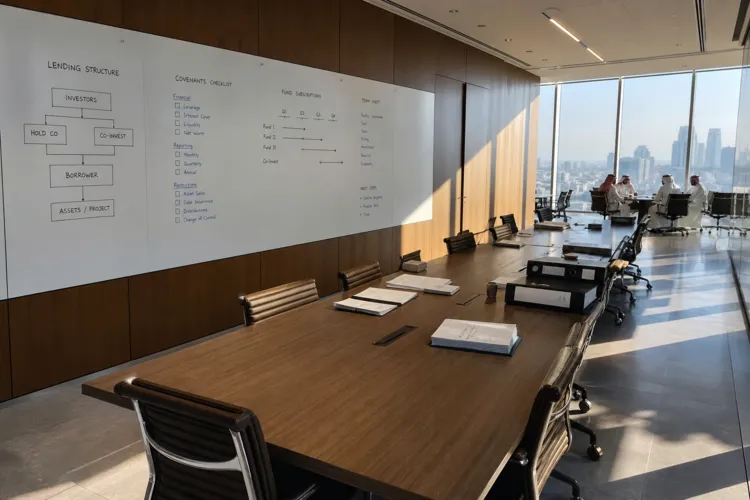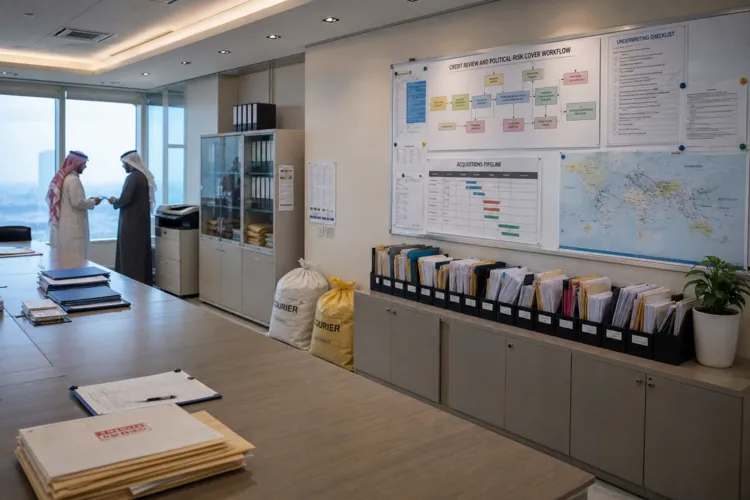
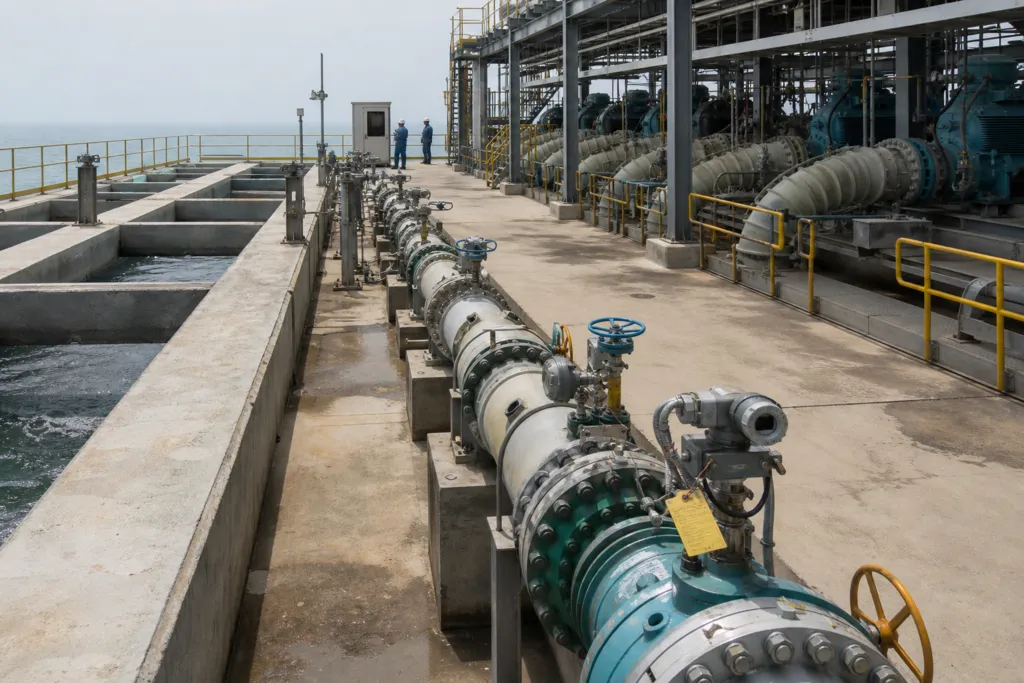
SHARAKAT (previously known as SWPC) is positioned as Saudi Arabia’s principal buyer and PPP procurer across water production, transmission, storage, and sewage treatment. It tenders PPPs across independent water plants (IWPs), independent sewage treatment plants (ISTPs/SSTPs), independent strategic water reservoirs (ISWRs), independent water transmission pipelines (IWTPs), and dams, while also providing advisory services in privatisation, project development, and contract management. The result is a single, unified counterparty model that investors can underwrite, because projects are supported by standardized contracts and guaranteed offtake agreements with clear rights and obligations. Fully owned by the Ministry of Finance, the platform is framed as reducing fragmentation and creating scale, which matters when capital is deciding whether water projects can be treated as repeatable infrastructure investments.
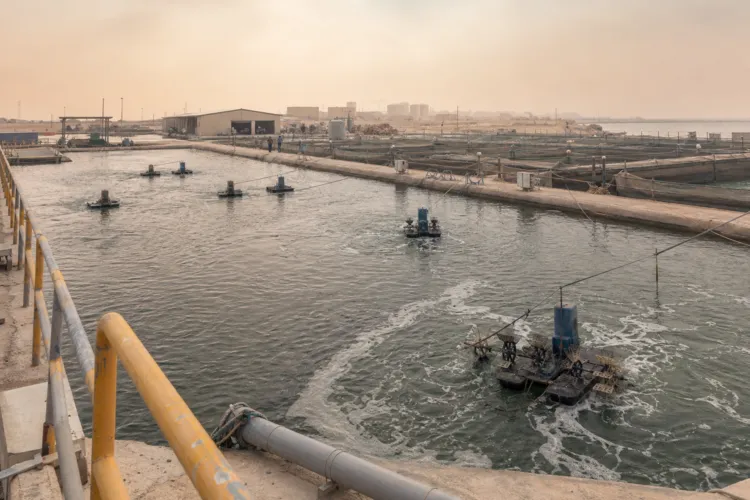
The market pull behind this is explicit in the sector’s constraints and demand trajectory. Saudi Arabia receives less than 120 millimetres of average annual rainfall, has no freshwater lakes or permanent rivers, and relies on desalination for approximately 70% of its potable urban water supply. Forecast urban potable water demand is described as rising from 15.47 million m³/d in 2024 to nearly 17 million m³/d by 2030, alongside a policy shift away from non-renewable groundwater toward desalinated water delivered through coastal production and inland transmission. In parallel, the General Authority of Statistics (GASTAT) is cited as saying total water demand exceeded 15 billion m3 annually and continues to grow at an estimated 7% annually. Those drivers help explain why investors focus on the bankability of contracted cashflows rather than one-off asset stories.
Why SHARAKAT’s Pipeline Looks Like a Tradable Platform
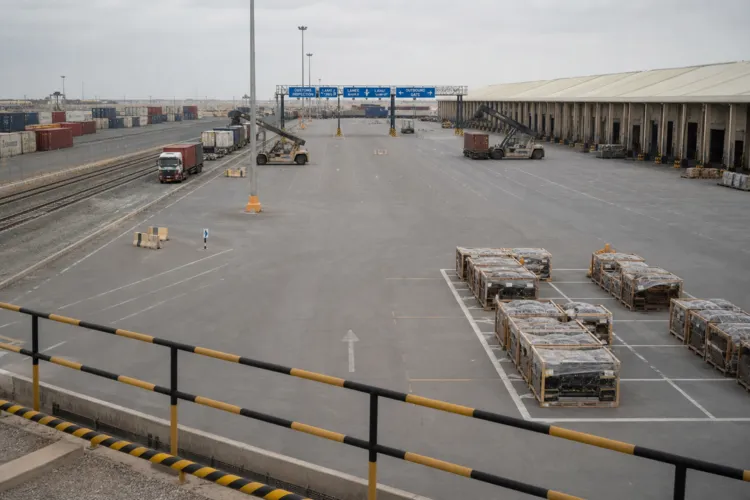
SHARAKAT’s pipeline density and asset-class breadth is what makes the ecosystem feel more like a platform than a single-project market. SWPC has 16 IWP and ISTP projects currently in operation, with a further three under construction, including the Kingdom’s first ISWR and IWTP. In the broader SHARAKAT framing, as of 2026 there are 15 assets operational, six under construction, and nine in active tendering, with Riyadh East ISTP named as the next project awaiting RFP submissions. Beyond that, more than 21 projects are confirmed across desalination, sewage treatment, transmission, and storage through to 2033. When investors and lenders can see multiple vintages of similar contracts, they can build teams and long-term plans around repeat procurement cycles, which is a typical precondition for secondary investment and consolidation narratives.
Pricing signals and operational focus also reinforce the “investment class” logic. SHARAKAT describes its model as bankable feasibility, transparent tariff mechanisms, and long-term stability, with projects that attract strong competition and achieve record-low costs. One cited marker is the $0.41m³ tariff at the Jubail 3A IWP, described as one of the three lowest tariffs ever recorded anywhere. Meanwhile, the next phase is not only about building assets but improving system performance, including addressing network losses estimated at more than 25% across different regions and urban water consumption per capita at over 250 litres per day. These metrics define efficiency themes that can be pursued across portfolios, not only within single concessions, supporting the idea of investable strategies that extend beyond greenfield delivery.
Capital formation is also being anchored to wider privatisation goals. Saudi Arabia’s updated National Privatisation Strategy aims to attract $64 billion in private sector investment by 2030 across 18 economic sectors, and the water sector is positioned as a leading contributor. SHARAKAT is described as having successfully closed more than USD 15.4 billion in PPP projects since its establishment, supporting the Kingdom’s privatisation agenda and investment goals. To broaden participation, it launched a Developer Qualification Initiative in 2024 to raise awareness of privatisation mechanisms and contractual models, and it also outlines a Prequalification Programme that replaces project-by-project qualification for developers bidding on IWP and ISTP projects. Together, this blend of sovereign-backed contracting, visible pipeline depth, and repeatable entry processes is why the SWPC water PPP narrative increasingly reads like a durable investment and M&A category rather than a one-off procurement story.
What is SHARAKAT’s role in Saudi Arabia’s water PPP market?
How large is SHARAKAT’s current project pipeline?
What demand and policy drivers are pushing Saudi Arabia toward more desalination and PPP delivery?
What price benchmark is cited for SHARAKAT-procured desalination projects?
How does the SWPC water PPP framework reduce investor risk?
Talk to us for your needs in:
-
Due Diligence and Valuation Services
-
M&A Strategy and Advisory
-
Post-Merger Integration Management
-
Regulatory and Compliance Advisory
-
Market Entry and Expansion Consulting
-
Investment and Financial Analysis
-
In-Depth Market Survey for M&A
-
Market Intelligence and Insights in M&A
-
Feasibility Study and Assessment in M&A
-
Saudi M&A Benchmarking