Saudi China M&A 2026 is best read through the operating corridor that makes transactions workable: predictable trade flow, scalable logistics, and clear sector rules. In June 2026, China exported $4.64B to Saudi Arabia and imported $3.49B, producing a positive trade balance of $1.15B. Over the June 2025 to June 2026 period, China’s exports to Saudi Arabia rose by $80.6M (1.77%), while imports fell by $1.34B (27.7%). The mix matters for downstream deals and partnerships because June 2026’s top exports from China to Saudi Arabia included Cars ($296M), Electrical Transformers ($206M), and Telephones ($171M).
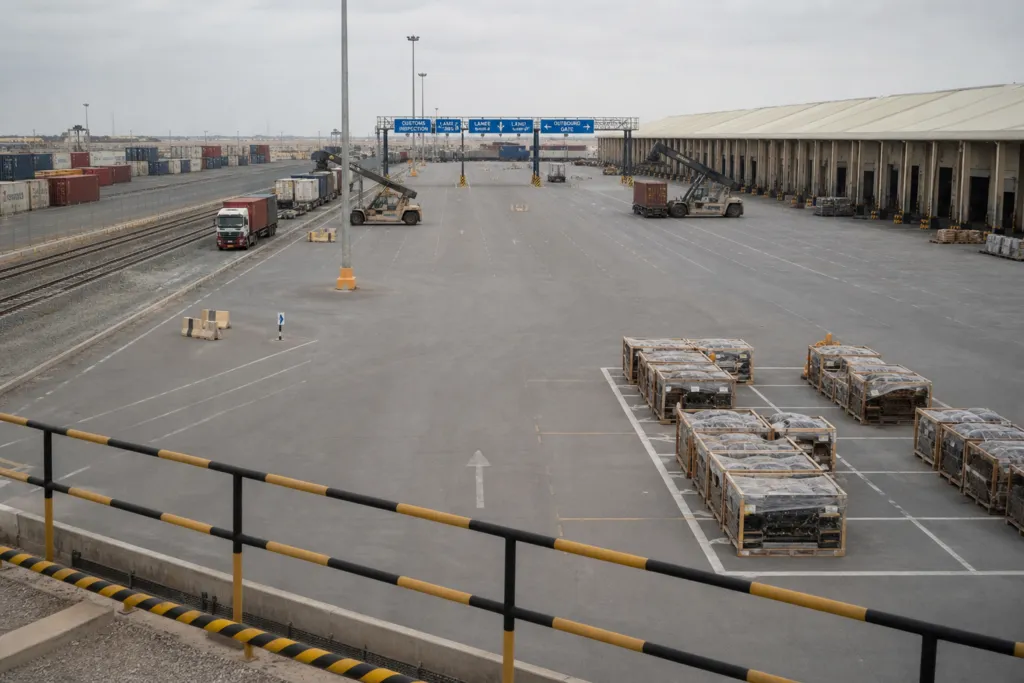
That trade base is being paired with corridor logic inside the Kingdom’s logistics strategy. On 10 April 2026, SAR announced five new logistics corridors linking Gulf ports—Dammam, Jubail, and Ras Al-Khair—to inland hubs including Riyadh Dry Port, Al-Kharj, Hail, and Qurayyat, with onward reach to Red Sea ports and northern markets including Jordan. The plan was described as designed to shift high-volume commodities such as petrochemicals and minerals off long-haul trucking, and the initiative was still at the agreement and feasibility stage rather than under construction. Even so, operators were already acting on corridor connectivity in 2026, including multimodal responses to disruption.
Where Logistics Transactions Turn Corridors Into Deal Platforms
Corporate actions in 2026 show how corridor ambition can translate into tangible deal steps. SAL Saudi Logistics Services completed an acquisition of 100% of Aviapartner Liège for approximately €28 million in August 2026, marking its first operational presence outside Saudi Arabia and expanding its network to 20 stations. In July 2026, SAL also signed a strategic agreement with China’s SF Airlines to provide integrated ground-handling and air-cargo services in Saudi Arabia, combining SAL’s local operating capabilities with SF Airlines’ international air-cargo network. These moves matter because they strengthen the ability to connect Saudi cargo flows with international trade corridors, not just announce new routes.
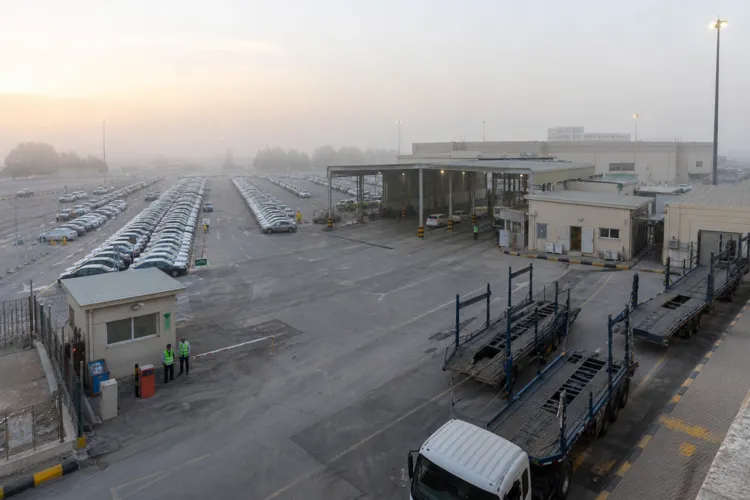
Autos are another corridor layer, because the sector is being shaped by regulatory and engineering requirements that influence partnership structures. MarkWide Research describes the China and Saudi Arabia automotive sector as encompassing passenger and light commercial vehicles engineered for extreme temperature ranges from minus 30°C to plus 50°C, with cooling systems, battery thermal management, and dust-sealing specifications exceeding baseline global platforms. It also notes that China’s MIIT enforces GB standards for new energy vehicle range certification and battery recycling accountability, while Saudi Arabia’s national regulator mandates local content thresholds under industrial development licenses. These frameworks shape which foreign manufacturers qualify for preferential financing and which powertrain architectures receive import duty relief.
Against that backdrop, one clear 2026 entry signal is timing. A July 2026 update reported that Chinese automaker Chery aims to re-enter the Saudi market in 4Q 2026, according to a press release. Put next to the June 2026 trade detail that “Cars” were a $296M export line from China to Saudi Arabia, the re-entry target reads less like a standalone announcement and more like an attempt to align distribution, compliance, and corridor capacity. The deal corridor, in other words, is being built across multiple layers at once: measured trade flows, feasibility-stage rail corridor plans, and executed logistics transactions that expand operational reach.
What do the June 2026 China-Saudi trade figures show for dealmaking momentum?
Which goods led China’s exports to Saudi Arabia in June 2026?
What transactions and agreements strengthened Saudi logistics links in 2026?
How does the Saudi-China M&A 2026 corridor relate to autos specifically?
When is Chery aiming to re-enter the Saudi market?
Talk to us for your needs in:
-
Due Diligence and Valuation Services
-
M&A Strategy and Advisory
-
Post-Merger Integration Management
-
Regulatory and Compliance Advisory
-
Market Entry and Expansion Consulting
-
Investment and Financial Analysis
-
In-Depth Market Survey for M&A
-
Market Intelligence and Insights in M&A
-
Feasibility Study and Assessment in M&A
-
Saudi M&A Benchmarking