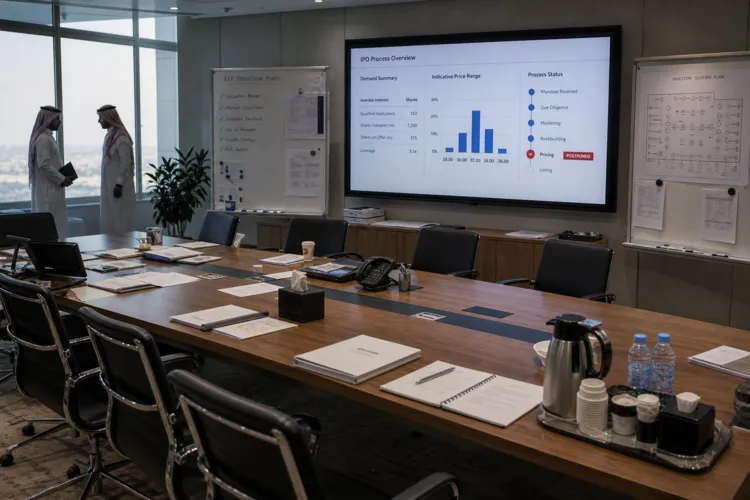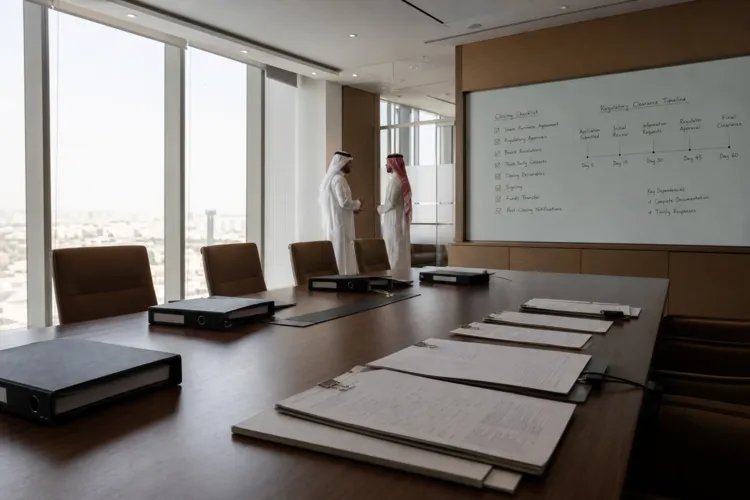
Saudi Arabia’s Public Investment Fund (PIF) is again being linked to a pipeline of share sales in companies it controls, spanning both initial listings and secondary sell-downs in already listed names. Semafor reported that PIF has earmarked as many as eight companies for potential IPOs in 2026, and also described considerations around reducing stakes in listed holdings such as Riyad Bank. In parallel, Saudi Agricultural and Livestock Investment Company (SALIC), which is PIF-controlled, was reported to be mulling a sale of part of its 16% stake in Almarai; that stake was transferred to SALIC in 2021. Across these potential transactions, sources stressed a common constraint: no final decisions have been made, and any execution depends on market conditions.
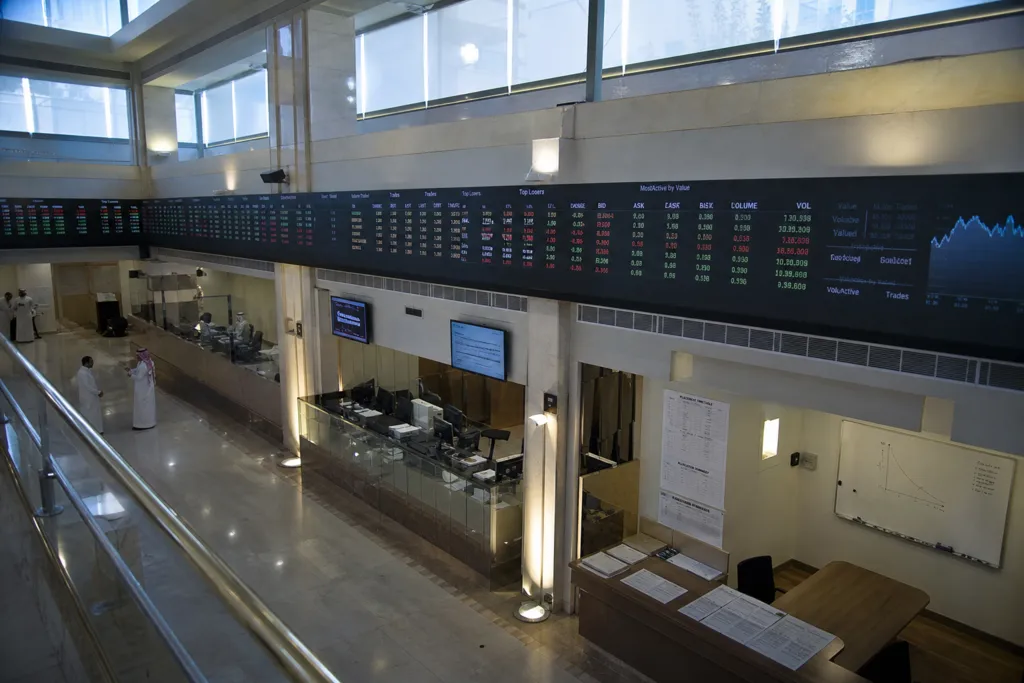
The market backdrop makes placement mechanics more than a technical detail. AGBI reported that the Saudi Exchange’s All-Share Index fell by almost 13% last year, and that of the 13 IPOs launched last year raising a combined USD 3.9 billion, only three started the new year above their offer price. Semafor similarly described the index as declining 13% in 2025 and said it was flat in 2024. That mix of weak index performance and uneven IPO after-market trading can push sellers toward structures designed to reduce execution risk, including carefully timed and tightly sized block placements rather than broader, longer marketing processes.
Block Trades and Secondary Placements: What the Sources Suggest
In a controlled-company context, a follow-on can be framed as a managed sell-down that preserves strategic influence while recycling capital. Semafor noted that PIF has historically used proceeds from selling down parts of its domestic portfolio for new investments, and said that over the past five years it has raised several billion dollars from local stock sales. A separate portfolio write-up described partial IPOs as templates, pointing to the 2021 Tadawul Group flotation that took PIF from 70% to 60%, and the ACWA Power IPO that monetised part of an energy stake. These examples do not define a single “right” method, but they show how secondary liquidity can be created through staged reductions rather than one-off exits.
Foreign-investor policy changes also shape how a Saudi block trade might be placed and to whom. Semafor reported that foreign investors will be allowed to invest directly in Saudi stocks starting next month, and that the regulator is reviewing rules that cap foreign ownership of companies at 49%. Traders and analysts cited by Semafor predicted USD 10 billion of inflows from these steps. Even with that anticipated support, the same report said trading volumes remain low and investors remain cautious about lower oil prices, government spending cuts, and corporate earnings. In that environment, sellers may lean on placements that match available demand, and on disciplined timing when price discovery is clearer.
For PIF follow-on share offerings specifically, the most practical question is not just whether a stake can be sold, but how the placement is calibrated to current liquidity and recent deal performance. AGBI reported that analysts expected fewer IPOs on the Saudi Exchange this year but anticipated PIF would be more active, while also citing a broader “exits” theme where the stock market remains a key mechanism. PIF’s scale adds another constraint: Vision2030.ai described 2025 preliminary AUM of about USD 909B, and Wikipedia describes estimated assets of USD 900 billion. When an owner of that size trims listed stakes, execution choices can affect market confidence, pricing, and the ability to return with additional tranches later.
What companies have been reported as potential candidates for PIF-related share sales in 2026?
How do recent Saudi IPO outcomes shape secondary sell-down planning?
What market performance numbers were cited for the Saudi Exchange?
How could foreign-investor rule changes affect block trade placement in Saudi stocks?
How are PIF follow-on share offerings connected to controlled-company block trades?
Talk to us for your needs in:
-
Due Diligence and Valuation Services
-
M&A Strategy and Advisory
-
Post-Merger Integration Management
-
Regulatory and Compliance Advisory
-
Market Entry and Expansion Consulting
-
Investment and Financial Analysis
-
In-Depth Market Survey for M&A
-
Market Intelligence and Insights in M&A
-
Feasibility Study and Assessment in M&A
-
Saudi M&A Benchmarking