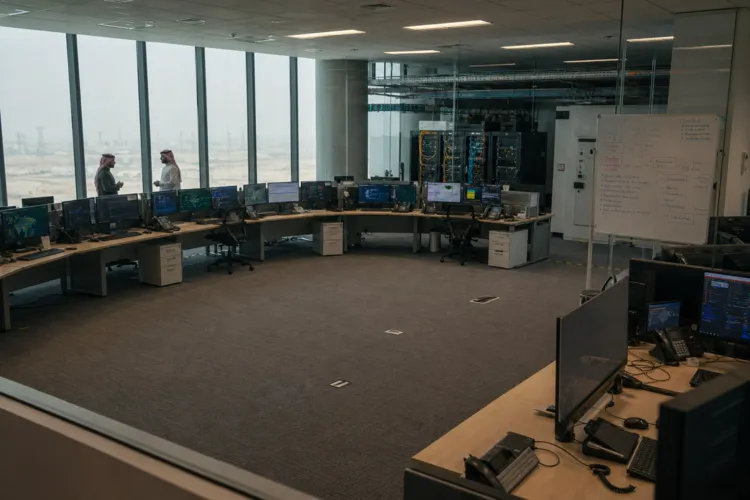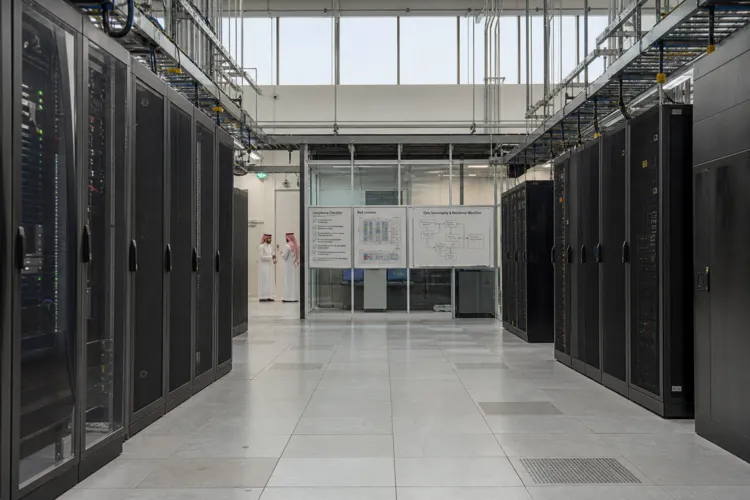
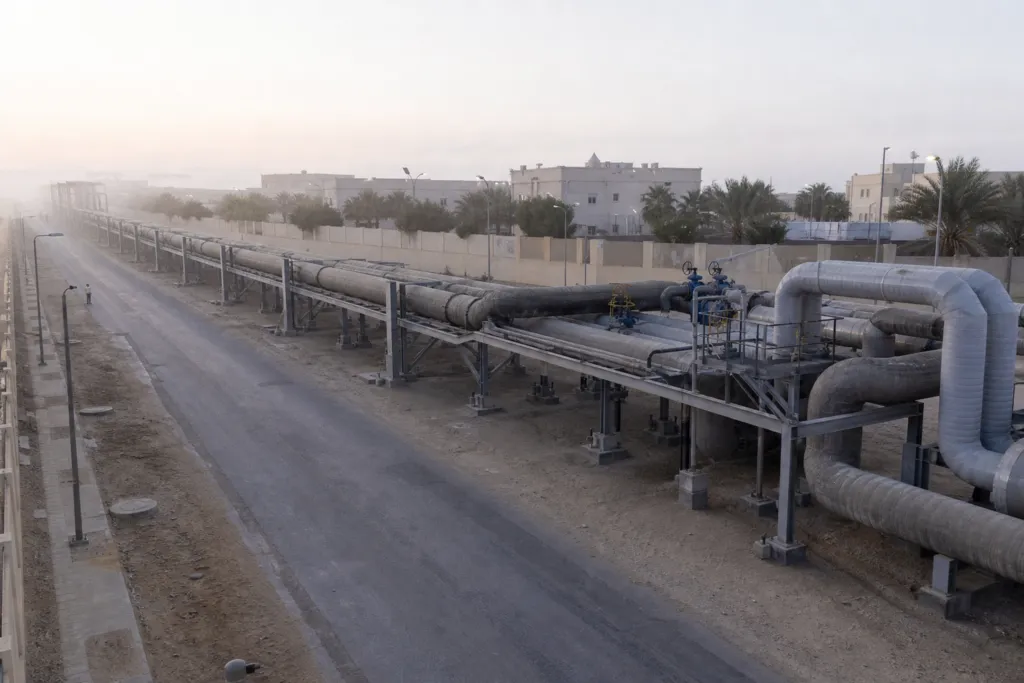
District cooling is increasingly discussed as an asset class because it looks and behaves like core infrastructure. It requires centralized production and an insulated underground pipeline network that distributes chilled water to client buildings such as offices, residential complexes, and shopping centers. That physical footprint can create long-duration customer relationships, while also supporting urban energy planning. A key operational angle is grid impact: district cooling can alleviate pressure on the electrical grid during periods of heightened air conditioning demand, which becomes a strategic talking point as cities and developers prioritize resilient, centralized systems.
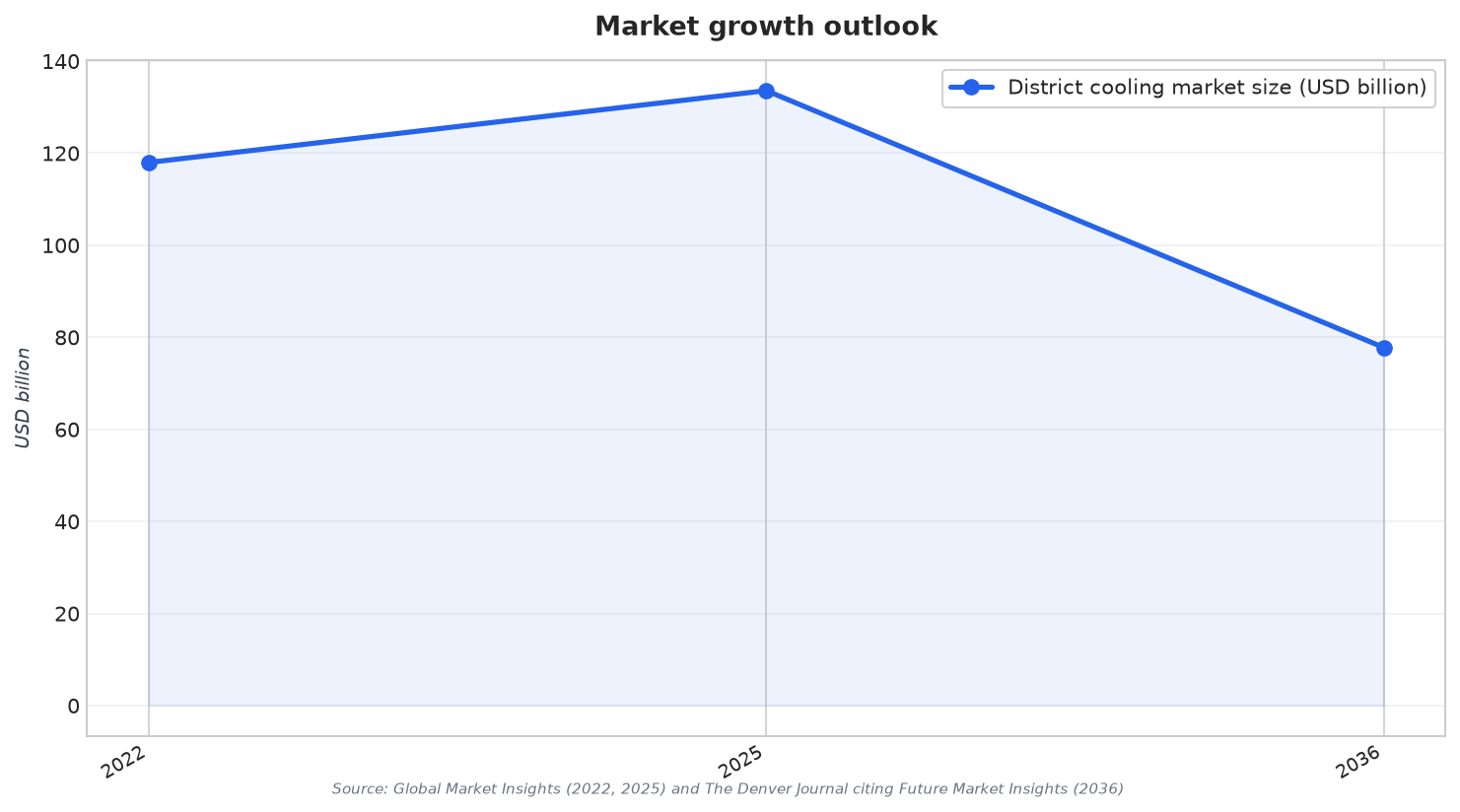
That infrastructure story is supported by market-size narratives across multiple research sources, even though they do not all use the same sizing baseline. One analysis values the district cooling market at USD 118 billion in 2022 and says it grew at a CAGR of approximately 3.5% through 2025, reaching USD 133.6 billion in 2025, with an expected 4% CAGR between 2026 and 2035. Another forecast frames a separate trajectory, projecting a rise from USD 36.7 billion in 2026 to USD 77.8 billion by 2036 at a 7.8% CAGR. These contrasting figures still reinforce a consistent buyer message: multiple forecasters expect sustained expansion in centralized cooling networks.
Why Deal Interest Tracks Capital, Policy, and Consolidation Signals
Infrastructure buyers tend to follow where capital is already moving and where policy direction reduces uncertainty. In April 2025, Emicool secured USD 500 million in green financing to support district cooling expansion projects across the UAE and wider region, illustrating how the sector can access sizable funding aligned with sustainability goals. Policy tailwinds also show up in broader cooling narratives. For example, the UN Environment Programme’s Global Cooling Pledge targets a 68% cut in cooling-related emissions by 2050, a signal that can favor efficient chillers, thermal storage, and reclaimed heat approaches mentioned in district heating and cooling discussions. These factors can shape underwriting assumptions around long-term demand and modernization cycles.
Consolidation is another recurring theme that makes district cooling feel like an asset class rather than a fragmented service line. One market analysis describes how integration of renewable energy sources and smart grid technologies is transforming district cooling into a key flexibility asset for urban energy systems, attracting new investors and driving consolidation as scale becomes paramount. M&A activity is referenced directly as well: notable deals include Algonquin Energy Services’ acquisition of sustainability assets in July 2023 to enhance their service offerings in the district cooling sector. For investors evaluating Saudi district cooling M&A, these global examples function as context for why scale, platform-building, and network density can become central to transaction logic.
Buyers also weigh execution risk, because district cooling is capital intensive and operationally complex. A press release-style assessment notes that district cooling systems require meticulous planning and substantial capital investment, since centralized infrastructure demands large-scale production and distribution networks. Another forecast highlights supply chain concentration risk, stating that a relatively small set of manufacturers, including ENGIE, Empower, Tabreed, Veolia, and Siemens, account for a disproportionate share of central cooling plant manufacturing capacity. At the same time, decentralized alternatives such as high-efficiency split and variable refrigerant flow systems remain competitive in markets where district cooling has not yet reached critical network density—pushing buyers to focus on proven demand corridors and build-out discipline.
Why are infrastructure buyers looking at district cooling assets?
What market growth figures are cited for district cooling?
What signals show financing momentum in the sector?
How does consolidation relate to Saudi Arabia’s district cooling deal narrative?
What risks should buyers consider in district cooling acquisitions?
Talk to us for your needs in:
-
Due Diligence and Valuation Services
-
M&A Strategy and Advisory
-
Post-Merger Integration Management
-
Regulatory and Compliance Advisory
-
Market Entry and Expansion Consulting
-
Investment and Financial Analysis
-
In-Depth Market Survey for M&A
-
Market Intelligence and Insights in M&A
-
Feasibility Study and Assessment in M&A
-
Saudi M&A Benchmarking