Saudi Arabia’s Special Economic Zones (SEZs) are designed to pull investment into specific sectors with distinct rules, incentives, and infrastructure. The programme is supervised by the Economic Cities and Special Zones Authority (ECZA), which is described as the national regulator for all SEZs and is responsible for setting frameworks, approving zone designations, and monitoring performance against investment attraction and economic contribution targets. In legal commentary, ECZA is noted as established in 2010 and having expanded its mandate in 2019 to encompass the broader goal of attracting foreign investment. Across sources, the overall intent is consistent: use tailored incentives and streamlined regulation to support diversification, stimulate non-oil activity, and develop knowledge-economy jobs.
The first wave of zones was announced in 2023, with multiple sources listing launch timing and names. Five SEZs are referenced: King Abdullah Economic City (KAEC) SEZ, Ras Al-Khair SEZ, Jazan SEZ, a Cloud Computing SEZ in Riyadh, and the Riyadh Integrated Special Logistics Zone (SILZ), with SILZ listed as launched in 2022. The zones are structured around sector mandates rather than a one-size-fits-all approach. For example, the KAEC zone is positioned on the Red Sea, and one source states that 13% of global trade flows through that area, framing its value for supply-chain-linked projects. The Cloud Computing SEZ is presented as a dedicated base for cloud and data centre operations, aligned with data sovereignty needs and digital infrastructure buildout.
Where SEZ Incentives Intersect With Deal Strategy
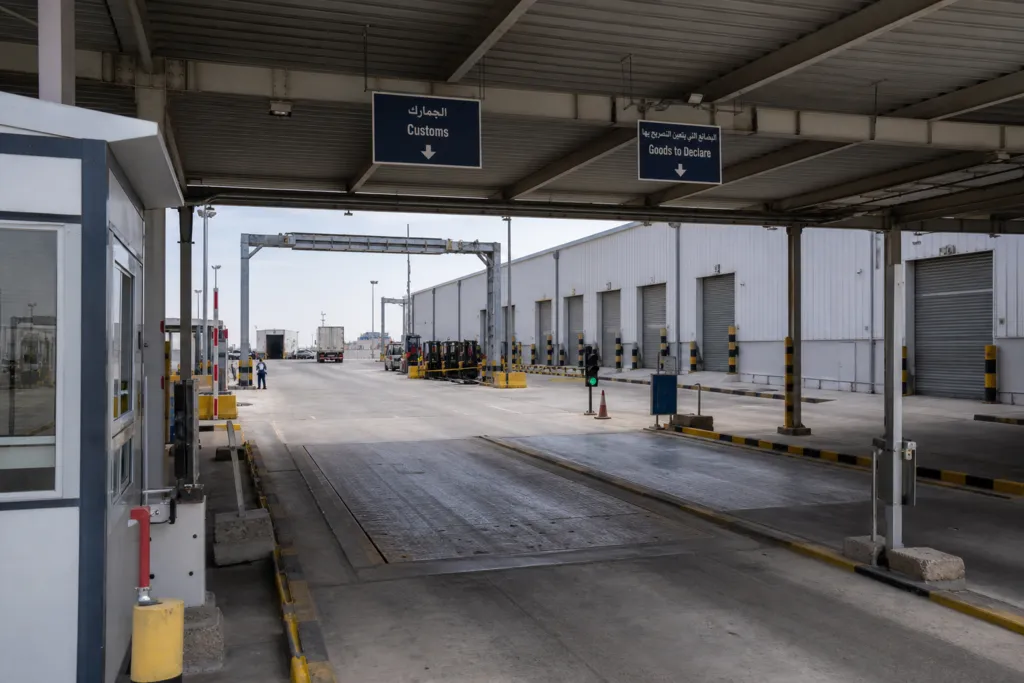
For buyers and sellers, the appeal of SEZs is not only operational; it is also about how a regulated package can de-risk entry and accelerate integration after closing. A unified incentive package is described after the launch of the SEZs, including a 5% Corporate Income Tax (CIT) for up to 20 years and 0% withholding tax on profit repatriation to foreign countries. Another incentive referenced is 0% customs duties deferral on imported or locally produced goods and equipment for Jazan SEZ. Separately, a market profile notes exemptions from customs duties for goods transported into, within, and from SEZs, and also gives a benchmark threshold for commercial samples under SAR5,000 (US$1,300) being exempt. In M&A planning, these types of rule-based advantages can influence valuation assumptions, post-merger supply chain design, and the sequencing of capex.
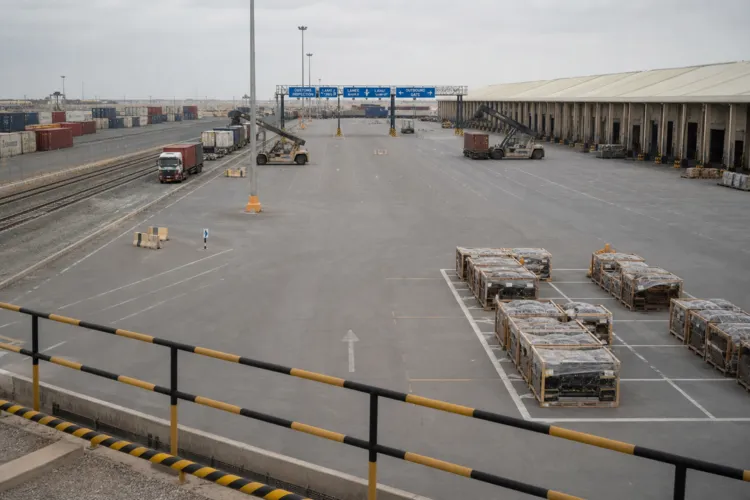
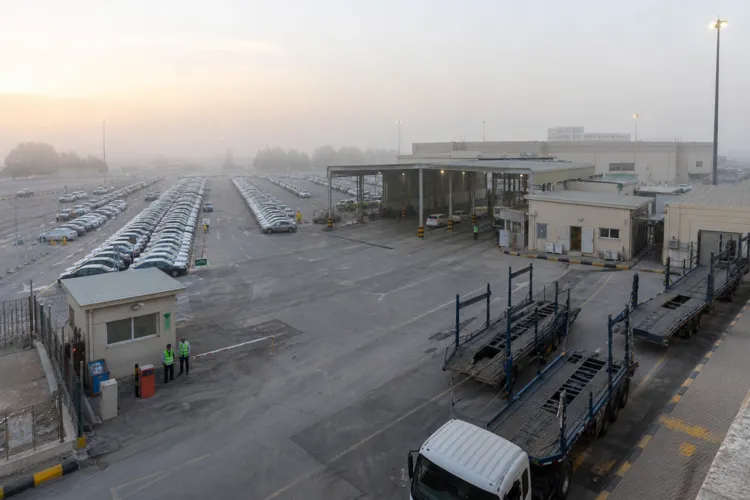
Sector specialization matters because it shapes which deals “fit” each zone. KAFD’s SEZ designation in Riyadh targets financial services, asset management, fintech, and professional services, and is described as spanning a purpose-built financial district with office, residential, and lifestyle amenities. The Integrated Logistics Bonded Zone at King Khalid International Airport focuses on logistics, e-commerce fulfilment, light manufacturing, and pharmaceutical distribution, with bonded logistics facilities and customs advantages. Ras Al-Khair’s SEZ overlays an existing industrial city and adds tax and customs advantages for mining, mineral processing, shipbuilding, and maritime industries. One legal source links Ras Al-Khair to Saudi Arabia’s goal of developing a US$14 billion maritime industry, while also noting the port serves over 100 manufacturing projects and can accommodate ships of any size due to deep-water depth. These zone-specific features can steer both platform acquisitions and bolt-on transactions.
In practice, Saudi special economic zones investment decisions often come down to how well a target’s operations align with each zone’s sector mandate, infrastructure, and compliance expectations. Saudi Arabia is described as the largest economy in the Middle East, with GDP of US$1,084 billion in 2024, and the same profile notes crude petroleum and natural gas activities accounted for 22.3% of GDP in 2024. It also reports a 4.5% year-on-year decline in oil activities alongside 4.3% annual growth in non-oil real GDP in 2024, driven by private consumption, non-oil private investment, and government-led projects including Vision 2030. For investors, SEZs sit inside that broader shift: they provide a structured way to build new capacity, enter by acquisition, or partner locally, while keeping the deal thesis anchored to incentives and sector-led growth pathways.
How are Saudi Arabia’s SEZs regulated and overseen?
What incentives are highlighted for investors in the SEZ programme?
Which SEZs and launch dates are mentioned in the sources?
What figures support the logistics and trade case for KAEC SEZ?
How does Saudi special economic zones investment connect to the non-oil growth story?
Talk to us for your needs in:
-
Due Diligence and Valuation Services
-
M&A Strategy and Advisory
-
Post-Merger Integration Management
-
Regulatory and Compliance Advisory
-
Market Entry and Expansion Consulting
-
Investment and Financial Analysis
-
In-Depth Market Survey for M&A
-
Market Intelligence and Insights in M&A
-
Feasibility Study and Assessment in M&A
-
Saudi M&A Benchmarking