Saudi Arabia is positioning green hydrogen as a cornerstone of economic diversification, leaning on abundant solar resources and a strategic geographic location. In that context, dealmaking is less about a single flagship and more about who controls execution, offtake, and risk. One indicator is the pipeline of planned spending: Saudi Arabia is planning USD 6 billion worth of green hydrogen projects. The market narrative is also shaped by NEOM’s Helios Green Hydrogen and Ammonia Project, described as a USD 500 billion collaboration between ACWA Power, Air Products, and NEOM, with a target to be operational by 2025 and export 650 tons of green hydrogen per day. These anchor commitments set a reference point that can pull smaller suppliers and partners into acquisition, joint venture, or long-term commercial structures.
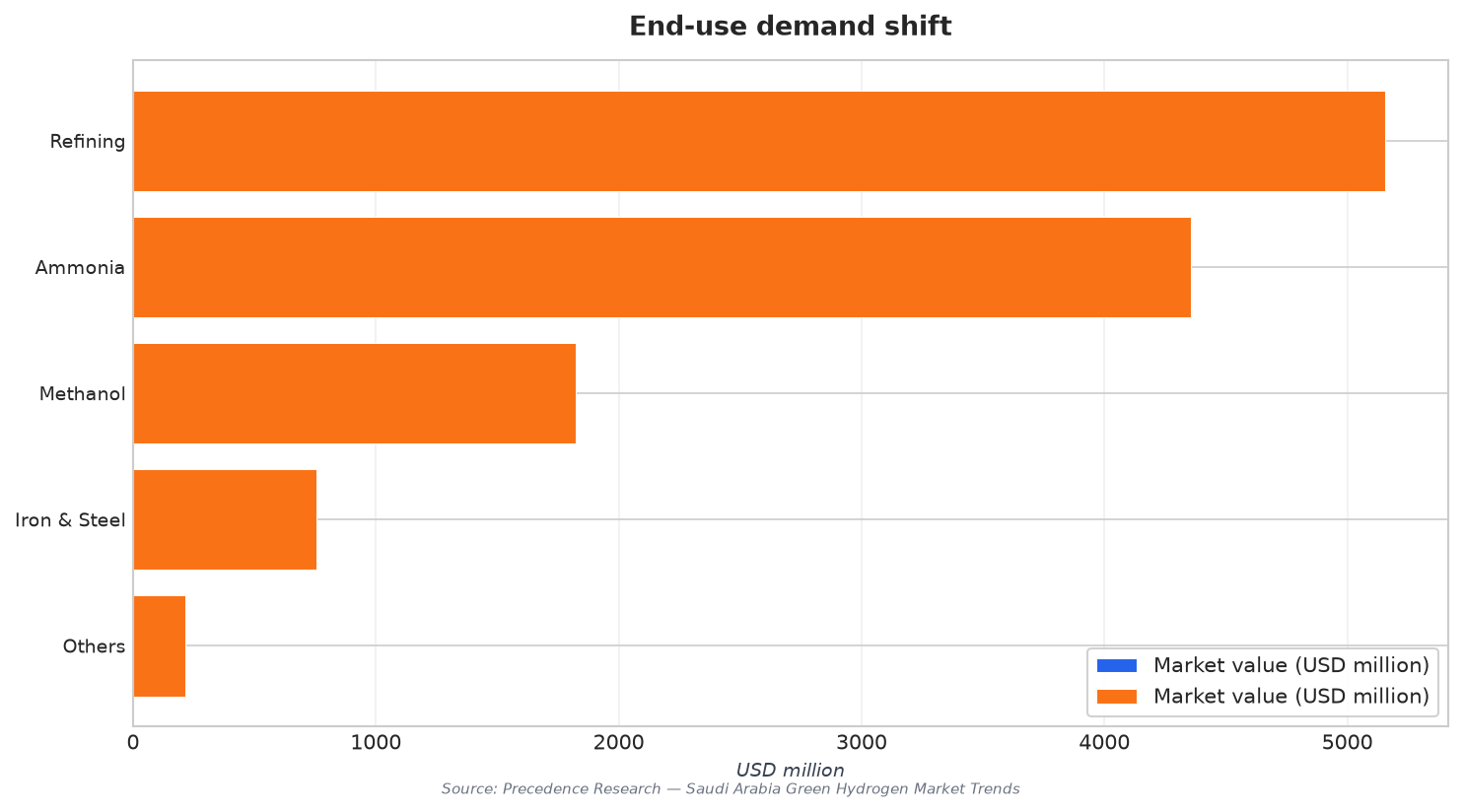
Saudi green hydrogen M&A discussions increasingly follow the money trail into renewable ammonia, because ammonia creates a tradable export form that supports financing. Air Products has been explicit about using long-term offtake and partnership agreements to create revenue visibility that supports project financing, including progress on the NEOM Green Hydrogen Project in Saudi Arabia. Corporate and commercial alignment is also visible through cross-border planning: Air Products and Yara were in advanced negotiations on low-emission ammonia projects linking U.S. and Saudi initiatives, and they anticipated a marketing and distribution agreement where Yara would commercialize, on a commission basis, ammonia not sold by Air Products as renewable hydrogen in Europe. That agreement was targeted for the first half of 2026, and later reporting states it was finalized in July 2026.
What’s Shifting the Market Beyond Helios
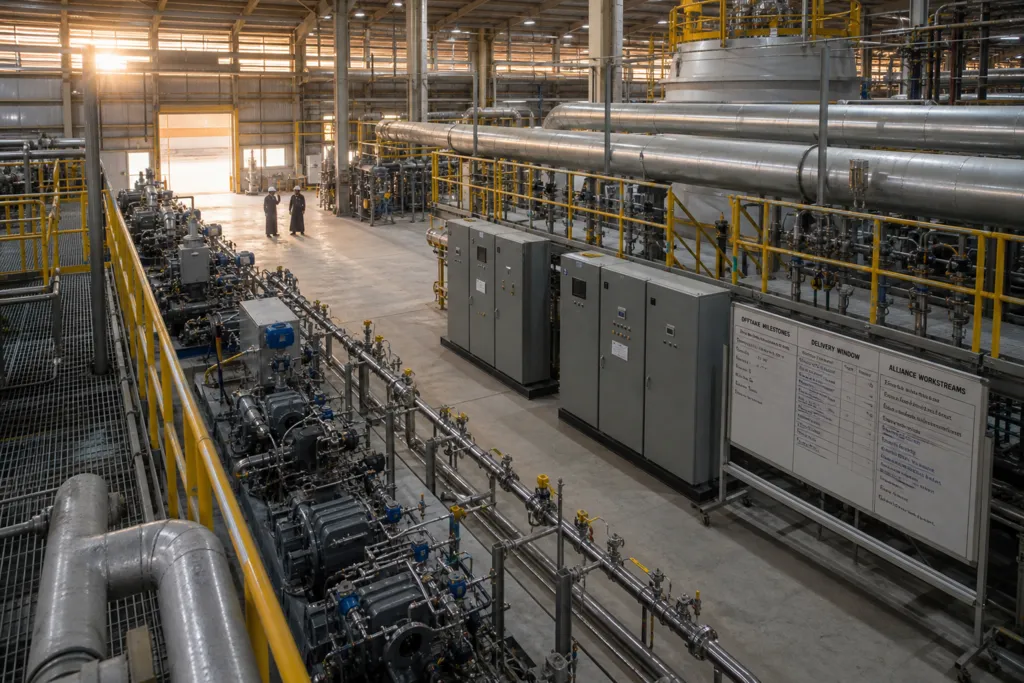
Project timelines and engineering completion milestones are becoming quasi “deal catalysts” because they change counterparty confidence. Air Products stated the NEOM Green Hydrogen Project was more than 90% complete and expected to start commercial production in 2027, with Air Products as the sole offtaker of up to 1.2 million tonnes per year of renewable ammonia. A separate market note also described the NEOM Green Hydrogen Complex in Tabuk Province as on schedule for first ammonia production in 2026, powered by 2.2 GW of dedicated solar and wind generation, with 95% installation completion. Clean energy hardware scale matters for counterparties too: one account described 257 wind turbines supporting the NEOM plant. These details do not prove M&A activity by themselves, but they explain why assets with late-stage construction and contracted routes to market become more “acquirable” than early concepts.
Another driver is the technology and procurement stack that sits behind hydrogen and ammonia. Fact.MR’s green hydrogen analysis states electrolyzer systems hold 74.6% of products in 2026, and industrial decarbonization-led applications hold 62.8% share, led by green steel and green-ammonia synthesis. That concentration can shape dealmaking toward electrolysis supply, engineering, and integration partners. On the infrastructure side, a hydrogen pipeline materials market discussion highlights how Saudi Arabia’s NEOM development creates demand for hydrogen-grade materials across electrolyzer evacuation, liquefaction feed, and export terminal connection applications, and it frames procurement as influenced by established engineering contractor relationships carried over from the oil and gas sector. In practical terms, this environment can reward consolidators that can bundle qualified materials, engineering, and delivery capability into bankable execution packages.
International demand scaffolding is also influencing how Saudi projects are commercialized, which can shape partnership and acquisition appetite. In Europe, the Port of Rotterdam aims to handle 4 million metric tons of green ammonia annually by 2030 under a Green Hydrogen Import Program, and a Europe green ammonia report says the Netherlands has secured offtake agreements for green ammonia from Australia, Saudi Arabia, and the United States through a state-backed 2Auction scheme. The same report notes carbon contract for difference allocations to integrated ventures such as the NEOM-backed Helios Green Fuels project. Meanwhile, recent corporate actions show investors still scrutinize returns: one report notes Air Products pulled the plug on a Louisiana low-carbon energy complex and canceled a zero-carbon liquid hydrogen facility in Arizona, recording a USD 2.9 billion pretax charge in fiscal 2026’s third quarter. That discipline can push Saudi Arabia-focused strategies toward structures that prioritize offtake certainty, staged investment, and counterparties that reduce execution risk.
What makes Saudi Arabia’s green hydrogen and ammonia market attractive for dealmaking?
How do offtake and marketing agreements influence Saudi green hydrogen M&A decisions?
What are the key NEOM project milestones cited by sources?
How does Europe’s import infrastructure affect Saudi renewable ammonia commercialization?
Talk to us for your needs in:
-
Due Diligence and Valuation Services
-
M&A Strategy and Advisory
-
Post-Merger Integration Management
-
Regulatory and Compliance Advisory
-
Market Entry and Expansion Consulting
-
Investment and Financial Analysis
-
In-Depth Market Survey for M&A
-
Market Intelligence and Insights in M&A
-
Feasibility Study and Assessment in M&A
-
Saudi M&A Benchmarking