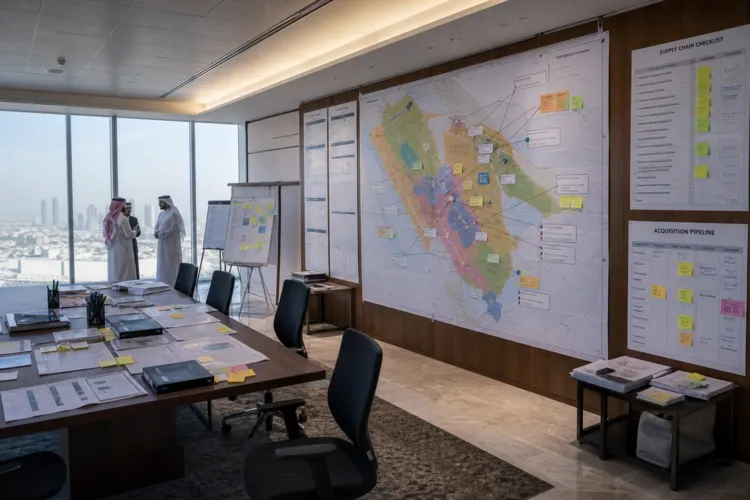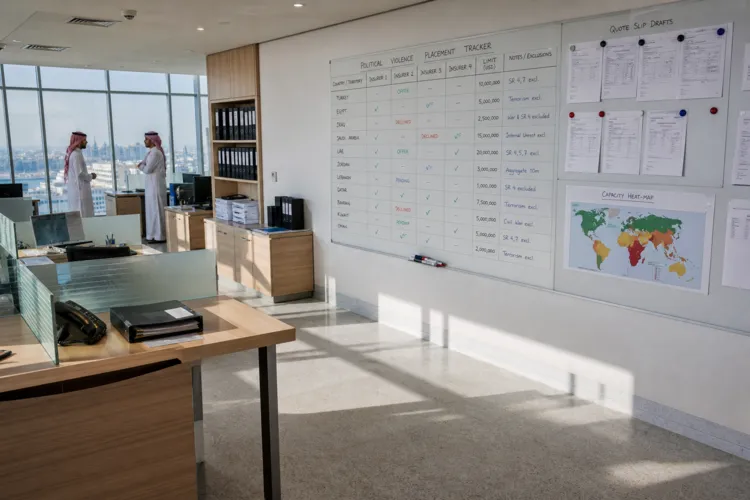
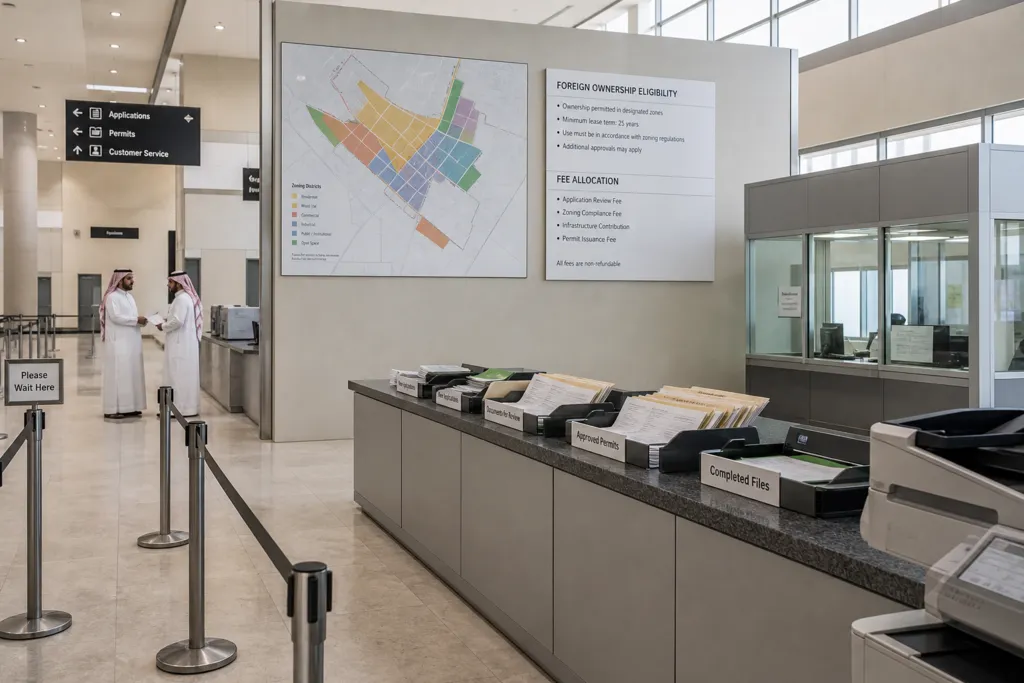
Saudi Arabia’s approach to non-Saudi real estate participation has moved into a more operational phase. A Law on Real Estate Ownership by Non-Saudis was approved on 14 July 2025, published on 25 July 2025, and entered into force after 180 days on 21 January 2026. On 23 June 2026, the Council of Ministers approved the Implementing Regulations and endorsed the geographic areas designated for non-Saudi property ownership. Together, the Law and Regulations replace an older approval-based approach with a rules-based framework that centers on designated zones and a single electronic platform run by the Real Estate General Authority (REGA). For M&A, that shift means foreign acquisitions of Saudi real estate holding companies now depend on mapping each asset and each buyer category against the approved geographic scope and the available property rights.
Structuring begins with buyer and vehicle classification. The Law distinguishes between direct acquisition by a foreign company, acquisition through a Saudi company with foreign shareholders, and acquisition through entities regulated by the Capital Market Authority (CMA). Non-Saudis may own real estate or acquire in-rem rights within designated Geographical Zones, with zone-by-zone parameters that can include permitted in-rem rights, maximum ownership limits, maximum terms of usufruct rights, and conditions for ownership or acquisition. In-rem rights can include usufruct and easements. A practical takeaway for deal teams working under Saudi foreign ownership real estate regulations is to treat “asset eligibility” as a closing condition: the same holding-company target can be viable or non-viable depending on where each underlying parcel sits on the approved map and what right is being transferred.
Due Diligence and Closing Mechanics Under the REGA Platform
The Regulations introduce execution mechanics that directly affect transaction timetables and document packages. Applications, payments, and title-deed issuance move onto a single REGA-mandated electronic platform that is integrated with the Saudi Central Bank (SAMA) payment infrastructure. Foreign owners must register with the competent authority to transact and must disclose direct and indirect ownership and control. Identification and banking requirements apply, and individuals also face local-contact requirements. After registration, there are continuing 15-day notification duties for changes in ownership, control, or independence. For acquisitions of real estate holding companies, these obligations translate into enhanced KYC, shareholder mapping, and ongoing compliance covenants in share purchase agreements, plus careful planning for post-closing changes that could trigger the 15-day notice window.
The zoned model creates additional structuring options, but it also adds bright-line exceptions and purpose limits that counsel must capture precisely. REGA has launched a dedicated link with a map showing areas where foreign ownership is permitted. At the same time, Saudi-incorporated non-listed companies with one or more foreign owners (natural or corporate) may own real estate outside designated zones for specific purposes, but with an explicit exception for Makkah and Madinah. This matters in holding-company acquisitions because a buyer may inherit assets inside and outside the approved scope. Deal teams can respond through pre-closing carve-outs, post-closing reorganizations, or aligning the acquisition vehicle to the relevant category under the Law (foreign incorporated, Saudi with foreign shareholders, or CMA-regulated structures), while keeping the asset-by-asset geographic scope analysis central.
Pricing and tax-fee allocation are also more prominent in transaction negotiations. One source notes a new real estate transaction fee of up to 5% on transfers involving Non-Saudis, in addition to the existing 5% Real Estate Transfer Tax (RETT). Another source highlights a real estate disposal fee fixed at 2% in the principal cities, with a schedule of zero-rated transactions. Parties should therefore define, in drafting, which fee regime applies to which transfer step and how costs are allocated across signing, closing, and any post-closing asset transfers. These reforms arrive amid an active market backdrop: Saudi real estate revenues are estimated at USD 132.3 billion in 2024 and projected to reach USD 201.4 billion by 2030, while residential sales are reported at approximately SAR 118 billion (around USD 32 billion) in 2024.
When did the Implementing Regulations for non-Saudi real estate ownership get approved?
How do the new rules change structuring for foreign acquisitions of Saudi real estate holding companies?
What disclosures and ongoing obligations apply to foreign owners under the Regulations?
How does the REGA electronic platform affect transaction execution?
What do Saudi foreign ownership real estate regulations mean for fees on transfers involving non-Saudis?
Talk to us for your needs in:
-
Due Diligence and Valuation Services
-
M&A Strategy and Advisory
-
Post-Merger Integration Management
-
Regulatory and Compliance Advisory
-
Market Entry and Expansion Consulting
-
Investment and Financial Analysis
-
In-Depth Market Survey for M&A
-
Market Intelligence and Insights in M&A
-
Feasibility Study and Assessment in M&A
-
Saudi M&A Benchmarking