
Corporate divestitures Saudi Arabia are no longer a sign of distress. They are a strategy. As Vision 2030 reshapes the economy, large family-owned conglomerates are selling off stable but slow-growing units to stay flexible and future-ready. Retail chains, low-tech construction, and traditional industrial assets are now first on the list.
Saudi Arabia has recorded 1,823 M&A deals since 1991, worth $331.8 billion. Activity has surged in recent years as reforms accelerate. In early 2025 alone, deal value reached $9.6 billion, with retail and industrial sectors playing a central role.
Vision 2030: Corporate Divestitures Saudi Arabia to Move Faster
Vision 2030 demands speed and focus. Conglomerates that once spread across many sectors are now trimming their portfolios. In 2024, industrial (25%), technology (20%), and consumer and retail (14%) sectors drove 59% of all M&A activity. This reflects a clear shift away from oil-linked and legacy operations.
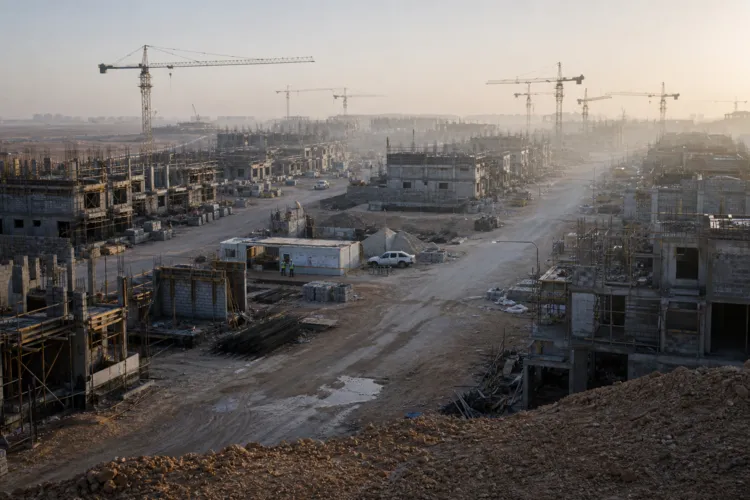
The government’s $1.3 trillion infrastructure push has also changed priorities. While $215.4 billion in construction contracts were awarded between 2020 and 2025, many family firms are exiting low-tech construction. Margins are tight. Competition is intense. Capital is better used elsewhere.
Some groups have already acted. BinDawood, for example, sold a minority stake in its retail arm years ago to refocus on higher-growth, tourism-aligned areas. This mindset is now spreading fast.
Read Also: How Saudi M&A Trends 2025 Reshape Startup Dreams and Mid-Market Consolidation
Corporate Divestitures Saudi Arabia Are Driving Carve-Outs
Carve-outs are a major tool in this shift. Globally, carve-outs reached a record 3,808 deals worth $429.4 billion in 2022. Saudi Arabia is following this pattern. In the first half of 2025, 1,591 carve-outs were completed worldwide, driven by economic pressure and portfolio reviews.
Local examples are emerging. Qassim Cement’s $378 million acquisition of Hail Cement in 2024 shows how divestitures can unlock value while keeping assets productive. These deals allow sellers to streamline while buyers gain scale.
In Q1 2025, Saudi merger filings reached 108, up 16% year over year. Around 80% involved foreign entities, and some required divestitures to move forward. Selling non-core units is becoming part of deal-making, not an afterthought.
Read Also: Saudi Insurance Market Consolidation Accelerates Amid Regulatory Shifts and Capital Pressures
Private Equity Circles the “Boring” Assets
This is where private equity steps in. Saudi private equity reached $2.8 billion across 15 deals in 2024. In the first half of 2025, the Kingdom led MENA with 45% of all PE deals.
Most of this capital targets assets that family groups no longer want to manage. Buyouts accounted for 82% of PE capital in 2024. These were often stable, cash-generating businesses like building materials or infrastructure-linked assets.
For PE firms, these assets are not boring. They are predictable. As family owners pivot to tech and tourism, investors see opportunity in what is being left behind.
Corporate Divestitures Saudi Arabia Are a Strategic Reset
These divestitures in Saudi Arabia reflect a deeper change. This is not about shrinking. It is about focus. Family conglomerates are reshaping themselves for a faster, more competitive economy.
For companies and investors navigating this shift, insight matters. With 40 years of distinguished experience, Saudi Arabia M&A by Eurogroup Consulting excels in delivering strategic consulting services, with a strong focus on market research in Saudi Arabia and the wider region. Our team provides clear guidance and deep local insight, making us the essential partner for succeeding in a rapidly evolving market shaped by corporate divestitures Saudi Arabia.
Talk to us for your needs in:
-
Due Diligence and Valuation Services
-
M&A Strategy and Advisory
-
Post-Merger Integration Management
-
Regulatory and Compliance Advisory
-
Market Entry and Expansion Consulting
-
Investment and Financial Analysis
-
In-Depth Market Survey for M&A
-
Market Intelligence and Insights in M&A
-
Feasibility Study and Assessment in M&A
-
Saudi M&A Benchmarking