Saudi distressed M&A 2026 is shaped by a simple tension. Saudi Arabia is still doing large deals, but it is also making tougher spending decisions and reviewing priorities. Mining.com reported that the $1 trillion Public Investment Fund (PIF) said it will step up efforts to boost returns and turn portfolio companies into global champions. The same reporting described “sweeping reviews” of major projects like Neom and a pivot toward areas more likely to attract foreign investment. In distressed M&A terms, that mix often changes who is willing to sell, who is willing to buy, and what structure becomes acceptable.
Dealmaking has not stopped. Savvy Games Group, a PIF unit, agreed to buy Moonton in March in a deal valuing the mobile games maker at $6 billion, according to Mining.com. The same source said another affiliate committed an additional $550 million to Lucid Group Inc. These figures matter for distressed M&A because they show liquidity and conviction can coexist with stress. Even when funding is scrutinised, buyers with strategic mandates may still execute, while other assets and counterparties face a harder bar on valuation and returns.
Where the Stress Is Concentrating—and How Deal Structure Can Adapt
In mining and materials, strategy shifts are a clear signal of valuation pressure. Manara Minerals Investment Co., launched in 2023, made an early splash by buying a $2.6 billion stake in Vale SA’s base metals unit, but later struggled to find deals at attractive valuations, according to Mining.com. The same report said Manara now plans to pursue joint ventures or partnerships with trading firms and make debt investments. For distressed M&A 2026, that emphasis is notable. Debt investments and partnership structures can fit situations where sellers resist low headline prices, but still need capital or balance-sheet relief.
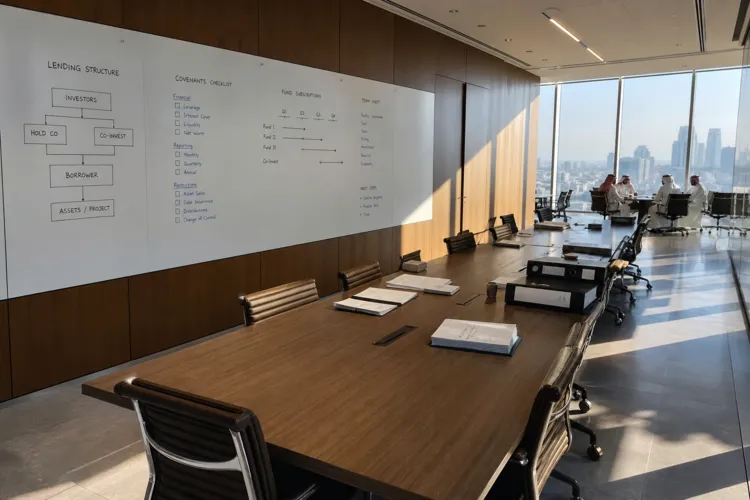
Stress also shows up in how costly it can be to get deals done, especially at smaller ticket sizes. GTR Review highlighted “disproportionately high legal costs” in Saudi Arabia, with “inexplicably high legal fees” for drafting, negotiating, and localising documentation. It noted that for banks, trade finance houses, and exporters supporting deals under US$10mn, the cost-to-value ratio can become difficult to justify, making otherwise viable transactions commercially unfeasible. Distressed opportunities can cluster in exactly these smaller, time-sensitive situations, so standardised documentation and repeatable processes become a practical value driver.
Sector operating conditions can intensify the need for creative financing, which can lead to consolidation. Forbes described Saudi construction as fragmented and said contractors can face cash-flow strains tied to project timing. It reported that BRKZ offers embedded finance options so contractors can borrow to buy materials for the next stage of projects, bridging the gap until they get paid. In parallel, Architects’ Journal described more “calculated tendering” in Saudi Arabia and cited one Saudi official saying: “We spent too much. We rushed at 100 miles an hour. We are now running deficits. We need to reprioritise.” When reprioritisation meets fragmented supply chains, distressed M&A can surface in contractor roll-ups, supplier tie-ups, or balance-sheet-driven restructurings.
Finally, stress is not only domestic; it can reshape risk perceptions and timelines. Mining.com reported that after a regional conflict, Iran shut the Strait of Hormuz, and Saudi Arabia activated a cross-country pipeline to the Red Sea coast, exporting around 5 million barrels a day, or about 70% of the kingdom’s total prewar levels. In a year like 2026, deal teams may respond by tightening diligence, demanding more robust protections, and preferring structures that reduce execution risk. For Saudi distressed M&A 2026, the opportunity is in aligning price, structure, and speed with these realities.
What is driving Saudi distressed M&A 2026 deal opportunities?
Which Saudi-linked deals show that capital is still available?
How is Manara Minerals’ strategy relevant to distressed transactions?
Why can smaller transactions be harder to execute in Saudi Arabia?
How can cash-flow pressure in construction influence M&A activity?
Talk to us for your needs in:
-
Due Diligence and Valuation Services
-
M&A Strategy and Advisory
-
Post-Merger Integration Management
-
Regulatory and Compliance Advisory
-
Market Entry and Expansion Consulting
-
Investment and Financial Analysis
-
In-Depth Market Survey for M&A
-
Market Intelligence and Insights in M&A
-
Feasibility Study and Assessment in M&A
-
Saudi M&A Benchmarking