The Aramco Jafurah deal is not a standard asset sale. It is an $11 billion lease-and-leaseback tied to Aramco’s Jafurah gas processing facilities. The investor group is led by funds managed by Global Infrastructure Partners (GIP), part of BlackRock. Aramco said it would receive upfront proceeds of $11 billion on completion, and it later announced that the transaction was completed.
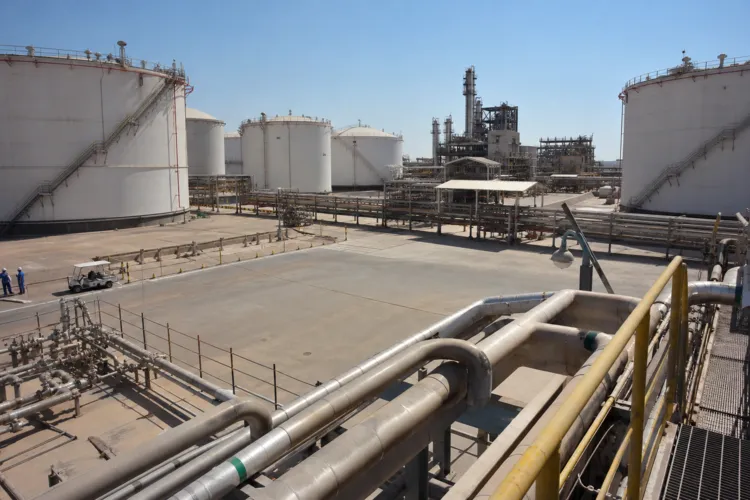
At the center of the deal is a newly established Aramco subsidiary, Jafurah Midstream Gas Company (JMGC). JMGC secured development and usage rights for the Jafurah Field Gas Plant and the Riyas NGL Fractionation Facility. JMGC then leases them back to Aramco under a 20-year agreement. This matters for M&A because it shows how capital can come in while Aramco keeps long-term access to the assets.
Three numbers help explain the deal’s scale and why it draws attention: $11 billion in upfront proceeds, a 20-year leaseback term, and a 51% Aramco stake in JMGC (with 49% held by investors led by GIP). Together, these figures show a model that blends foreign investment with majority ownership and a long contract that supports stable operation.
Because JMGC is a rights-and-lease vehicle, the transaction supports asset optimization rather than a full transfer of operational control. Aramco also stated that the transaction would not impose restrictions on its production volumes. For Saudi energy M&A, this can be a template: bring in outside capital, keep the asset working for the core operator, and use long-term agreements to define the relationship.
Why Jafurah Makes Midstream Rights Valuable
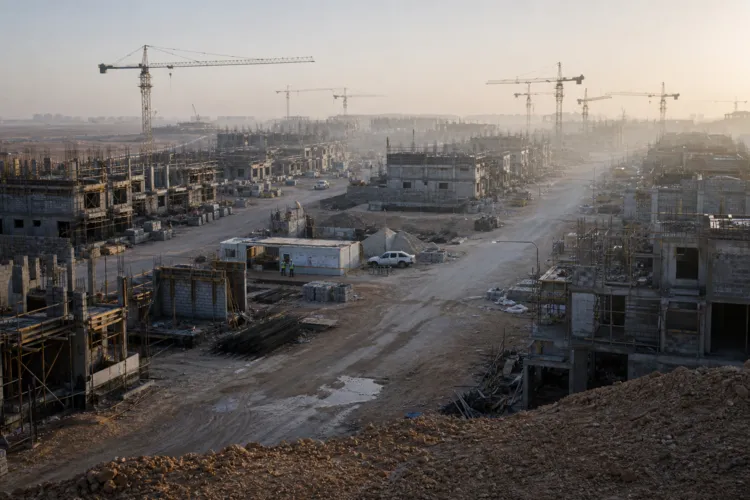
Jafurah is described by Aramco as the largest non-associated gas development in the Kingdom of Saudi Arabia. It is estimated to contain 229 trillion standard cubic feet of raw gas and 75 billion Stock Tank Barrels of condensate. Aramco also links Jafurah to its plan to increase gas production capacity by 60% between 2021 and 2030. That kind of long runway can make infrastructure rights attractive to long-term investors.
The deal also highlights the type of buyers showing up in Saudi energy transactions. Aramco said the opportunity garnered significant interest from investors worldwide, including institutional investors from Asia and the Middle East. Another report described the GIP-led consortium as including Hassana Investment Company and The Arab Energy Fund. This mix points to M&A and structured investments that may lean more toward consortium deals than single-buyer takeovers.
Finally, the timing adds momentum. When Aramco announced completion, it said Jafurah is on track to start production by year-end. Aramco leadership described Jafurah as supporting growth ambitions across multiple sectors, including energy, artificial intelligence, and major industries such as petrochemicals. In M&A terms, that message can lift interest in gas-linked midstream and processing assets where contracts, tariffs, and long-term rights can be packaged for investors.
What is the Aramco Jafurah deal?
Which assets are covered by the lease-and-leaseback?
Who owns JMGC after the transaction?
Why could this structure matter for Saudi energy M&A?
How big is the Jafurah resource base mentioned in the sources?
Talk to us for your needs in:
-
Due Diligence and Valuation Services
-
M&A Strategy and Advisory
-
Post-Merger Integration Management
-
Regulatory and Compliance Advisory
-
Market Entry and Expansion Consulting
-
Investment and Financial Analysis
-
In-Depth Market Survey for M&A
-
Market Intelligence and Insights in M&A
-
Feasibility Study and Assessment in M&A
-
Saudi M&A Benchmarking