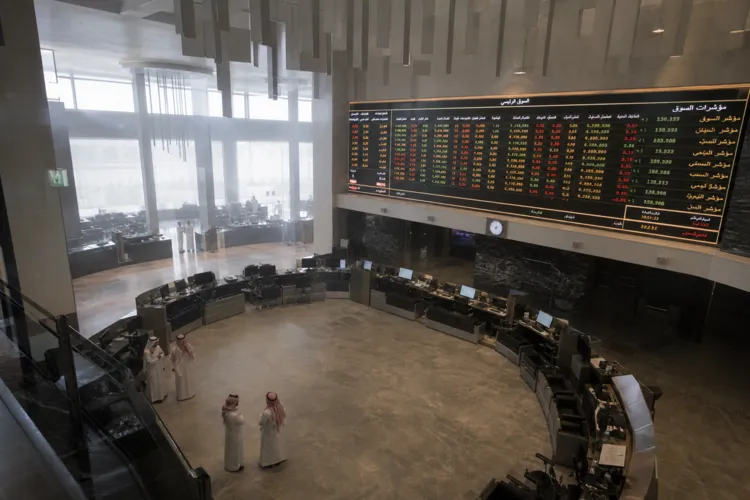
War risk has moved from theoretical to transactional in Saudi dealmaking after the 2026 conflict. In Q1 2026, Saudi Arabia recorded 24 M&A deals worth $689 million, described as resilience despite regional geopolitical uncertainty. Across the Middle East, 196 announced deals were recorded in Q1 2026 with a combined value of $23.3 billion, compared with 207 pacts worth $31.3 billion in the same period last year. That backdrop matters when negotiating termination rights, because timelines may shift even when appetite for deals remains. The practical goal is to draft clauses that preserve certainty at signing and reduce disputes if conditions worsen before closing.
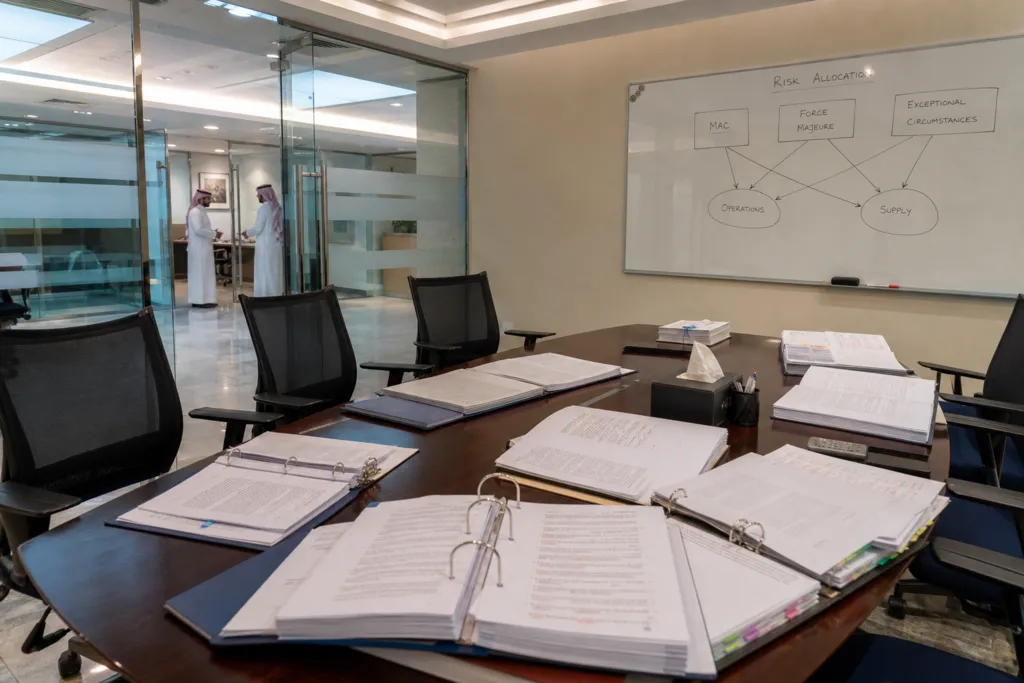
MAC clauses can help, but they are not a shortcut. One global transactions report notes that the threshold for proving a MAC is high and depends on the specific drafting of the clause. In a Saudi context, that pushes parties toward precision: define what the “adverse change” is, what period it must persist, and what must be proven. It also supports using multiple tools rather than relying on MAC alone, including warranty bring-downs, termination rights, and careful pre-closing covenants on conduct of business. Where parties are also using warranty and indemnity insurance, the same report warns it is no substitute for proper diligence and may include coverage gaps.
Force Majeure vs Exceptional Circumstances Under Saudi CTL
Saudi law adds an extra layer that deal drafters must respect when they borrow force majeure language from other jurisdictions. Under the Saudi Civil Transactions Law (CTL), there is no blanket rule that war automatically qualifies as force majeure; courts assess each case on its own facts, including foreseeability, causal impact on performance, and the parties’ agreed contractual framework. CTL Article 97(1) addresses “exceptional circumstances” where performance remains possible but becomes excessively onerous, threatening heavy losses and disturbing contractual equilibrium. The remedy is renegotiation, and the debtor cannot unilaterally suspend or terminate performance; if negotiation fails, the court may reduce the obligation to a reasonable level. Article 97(4) makes this doctrine public policy, stating any agreement contrary to Article 97 is null and void.
Force majeure under CTL Article 110 is framed differently. Article 110 provides that if performance of an obligation in a bilateral contract becomes impossible for a reason beyond the debtor’s control, the obligation and the corresponding obligation are extinguished and the contract is automatically terminated. For M&A war risk clauses in Saudi agreements, that distinction suggests a drafting discipline: separate “impossibility” scenarios from “excessively onerous but possible” scenarios, and align notice, evidence, and renegotiation mechanics accordingly. It also means parties should not assume that labeling a geopolitical event “force majeure” will control the legal outcome. The safer approach is to draft fact patterns, operational triggers, and required proof, while acknowledging CTL limits where they apply.
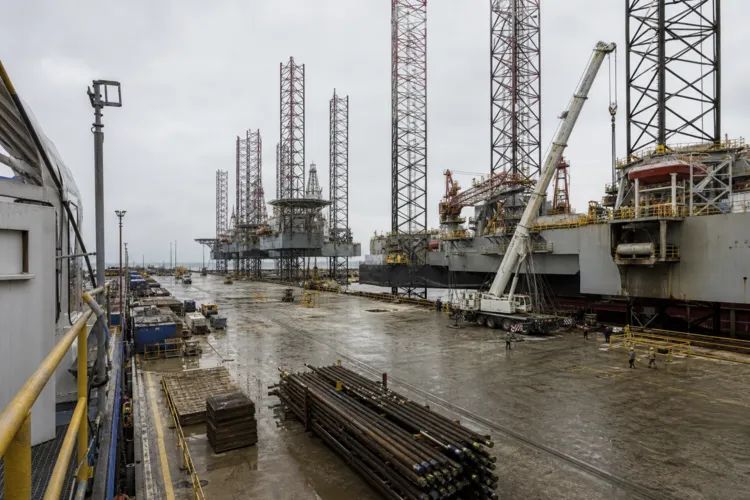
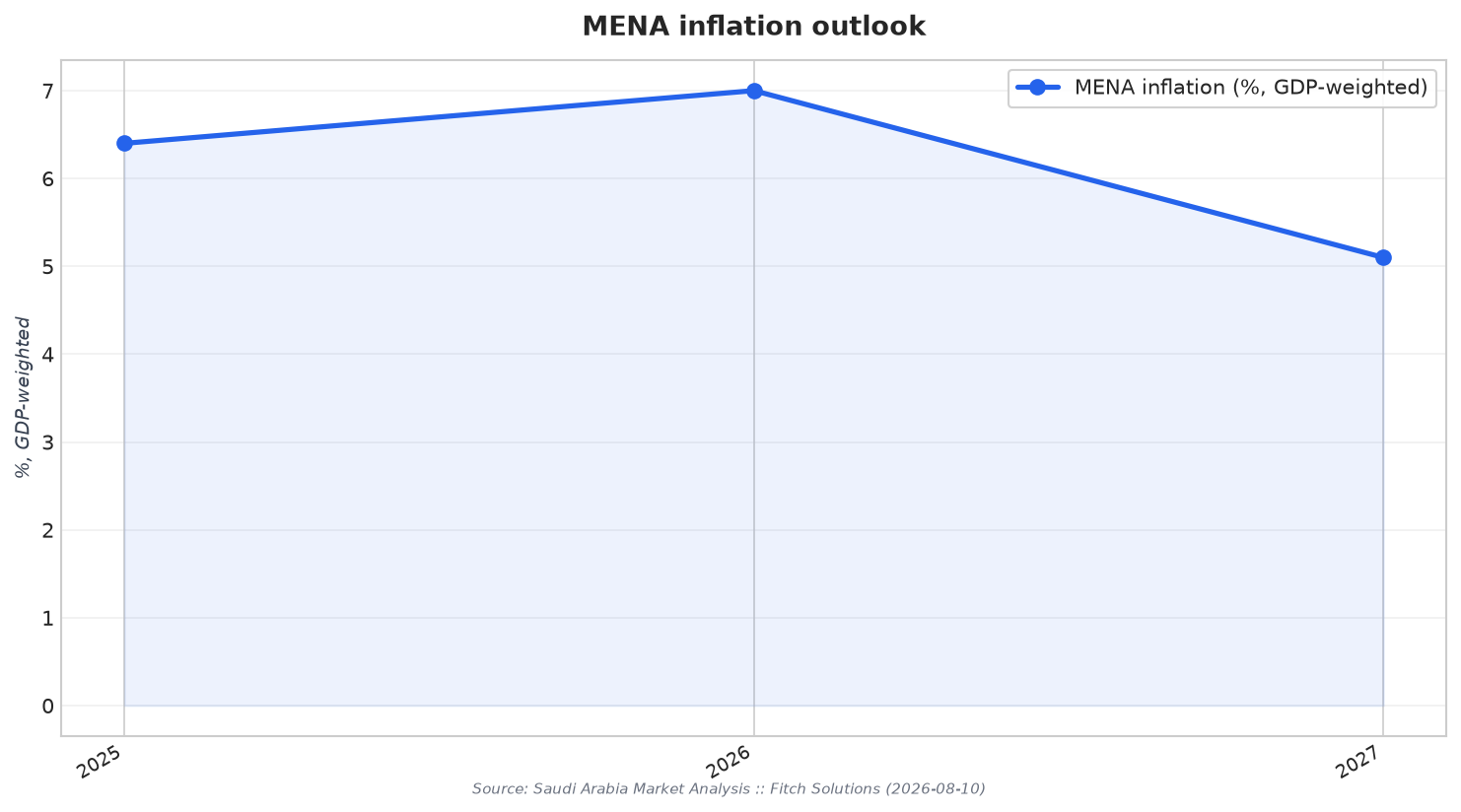
Operational exposure should be tied to the business reality the parties are buying and selling. Fitch Solutions expects construction gross value added in MENA to contract in real terms by -4.3% in 2026, followed by growth of 4% in 2027, linking revisions to a US-Iran conflict expected to persist with a preliminary agreement in Q1 2027. The same analysis flags conflict-driven supply shocks that pushed construction input costs in Saudi Arabia sharply higher and highlights risks such as a sustained Houthi blockade of Saudi Red Sea ports and a closure of Hormuz extending beyond its base case. When buyers and sellers translate these types of risks into drafting, they can use clearer deal terms, more explicit purchase price adjustment methodologies, and tailored pre-closing covenants that focus on logistics, procurement, and continuity of supply rather than generic “best efforts” language.
How active was Saudi Arabia’s M&A market in Q1 2026 despite geopolitical uncertainty?
Are MAC clauses easy to invoke in a dispute?
Does war automatically qualify as force majeure in Saudi contracts?
What is the difference between CTL exceptional circumstances and force majeure for deal drafting?
How should M&A war risk clauses be approached in Saudi deal documents after the 2026 conflict?
Talk to us for your needs in:
-
Due Diligence and Valuation Services
-
M&A Strategy and Advisory
-
Post-Merger Integration Management
-
Regulatory and Compliance Advisory
-
Market Entry and Expansion Consulting
-
Investment and Financial Analysis
-
In-Depth Market Survey for M&A
-
Market Intelligence and Insights in M&A
-
Feasibility Study and Assessment in M&A
-
Saudi M&A Benchmarking