Maaden’s latest aluminium results show why downstream dealmaking is back on the table. In Q2 2026, Maaden’s aluminium segment revenue rose 49% year-on-year to about USD 1.01 billion, while segment EBITDA more than doubled to about USD 411 million, implying a 41% EBITDA margin. The same quarter saw a realised aluminium price of USD 3,915 per tonne, versus an LME spot range of USD 3,236 to 3,352 per tonne in mid-September 2026. Those spreads matter because they turn integration into cash flow, and cash flow into optionality for acquisitions and joint ventures that can extend Maaden’s “mine-to-market” model into higher-value products.
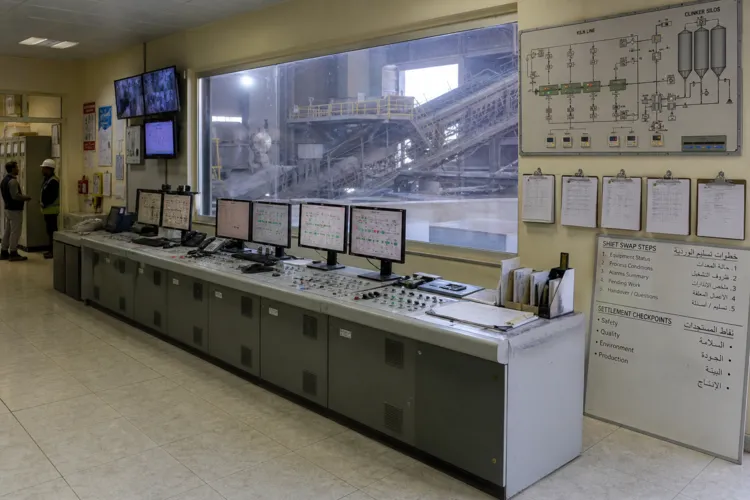
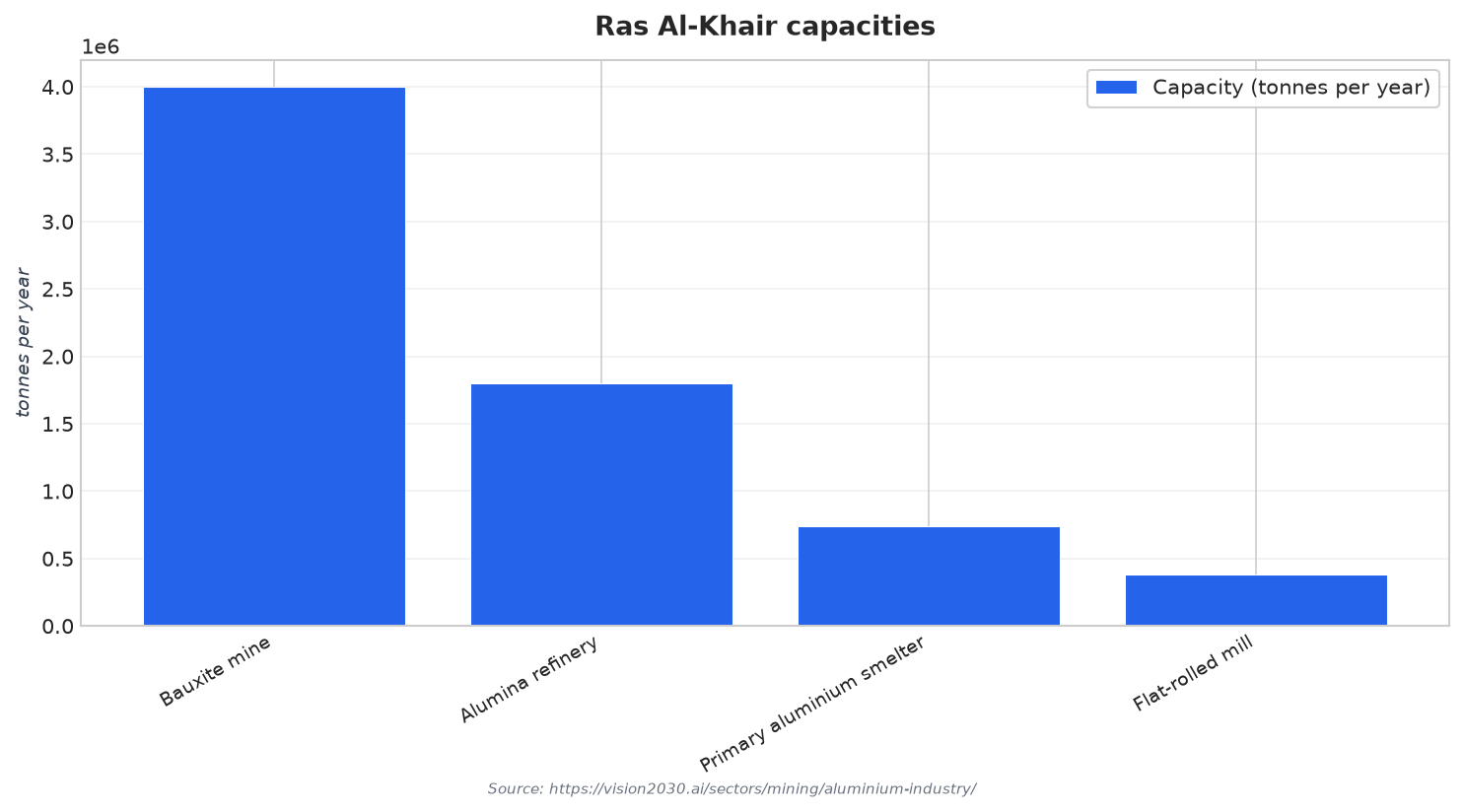
The asset base that shapes Saudi deal targets is already unusual in its scale and integration. Ras Al-Khair links a 4 million tonne-per-year bauxite mine to a 1.8 million tonne alumina refinery, a 740,000 tonne-per-year primary aluminium smelter, and a 380,000 tonne flat-rolled mill on a single industrial site. Another framing of the same platform puts total invested capital above USD 10.8 billion since first metal in 2013. With this footprint in place, downstream moves can focus less on “more tonnes” and more on what sits after primary metal and flat-rolled output, where value capture and resilience tend to rise with product complexity.
Where Acquisition and JV Targets Cluster in Maaden’s Value Chain
The clearest acquisition and JV logic sits in control, technology, and pull-through demand. Maaden consolidated ownership when it acquired Alcoa’s 25.1% stakes in Maaden Aluminum Company and Maaden Bauxite and Alumina Company, a move described as giving full operational control; another source characterises the July 2025 buyout as consolidating 100% Saudi ownership. That pattern points to two practical target types: capabilities that deepen semi-fabrication and downstream manufacturing, and partners that bring processing know-how. Saudi commentary also stresses that the strategic intent is downstream development, not only volume, as the Kingdom tries to capture more value through integrated chains tied to logistics, ports, and rail.
Demand catalysts add urgency to the downstream buildout discussion, but they also raise execution questions that investors will test through real capacity additions. One analysis links the 2034 FIFA World Cup pipeline, including 15 new stadiums, alongside Lucid Motors’ 155,000-vehicle EV plant and a 30-million solar panel frame facility at Sudair, to Maaden’s domestic consumption target of 1.6 to 1.8 million tonnes by 2030. At the same time, independent forecasters project 2.9% to 6.8% CAGRs to 2030, a divergence that is expected to be clarified by downstream fabrication capacity data anticipated in 2027 and 2028.
For Saudi aluminium downstream investment decisions, the “record price” moment is an opening, not a guarantee. Part of the premium environment is linked to a projected 24% year-on-year drop in GCC aluminium production in 2026 from regional disruptions, with an expectation that margins compress as shipping routes stabilise. That makes deal discipline critical: acquiring or partnering into downstream steps that are anchored to the integrated Ras Al-Khair chain, and aligned with the new Yanbu greenfield buildout backed by more than USD 20 billion in committed sovereign capital, can help convert temporary price strength into longer-duration industrial capability.
What did Maaden’s Q2 2026 aluminium results show about pricing power?
How profitable was Maaden’s aluminium segment in Q2 2026?
What assets make up the Ras Al-Khair integrated aluminium value chain?
What kind of Saudi aluminium downstream investment is implied by Maaden’s strategy?
What risks could affect downstream deal timing and returns?
Talk to us for your needs in:
-
Due Diligence and Valuation Services
-
M&A Strategy and Advisory
-
Post-Merger Integration Management
-
Regulatory and Compliance Advisory
-
Market Entry and Expansion Consulting
-
Investment and Financial Analysis
-
In-Depth Market Survey for M&A
-
Market Intelligence and Insights in M&A
-
Feasibility Study and Assessment in M&A
-
Saudi M&A Benchmarking